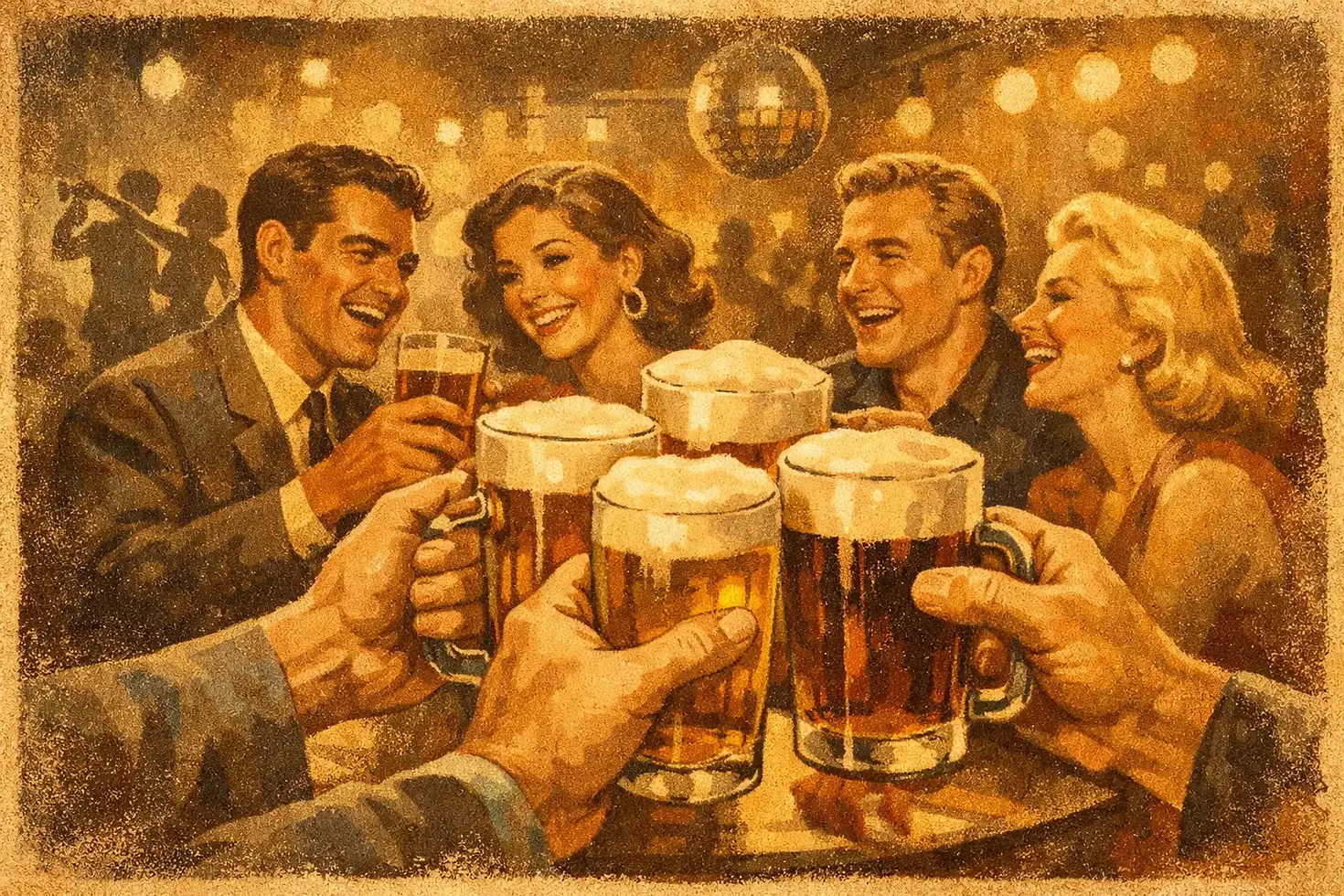
The Best Beers for Sharing on a Big Night Out

A good table needs more than empty glasses and polite small talk. It needs a first round that gets the stories moving, a beer worth passing around, and enough choice to keep every palate in the squad on side. The best beers for sharing are not always the strongest, rarest or most aggressively hopped. They are the ones that make a group settle in, compare notes and confidently order another round.
For a mixed table, beer is a better icebreaker than a menu full of complicated decisions. One person wants something crisp. Another is hunting for malt, citrus or a darker pour with some weight behind it. The trick is building a line-up with range, not turning the evening into a tasting exam.
What makes a beer good for sharing?
Sharing beer can mean several things. It might be a few different bottled craft beers split into small pours, a tasting paddle, or simply taking turns choosing the next round. In every case, the same rule applies: choose beers with a clear personality that do not overpower the conversation.
Balance matters. A bone-dry, intensely bitter double IPA might thrill one dedicated hop hunter, but it can divide a group after the first sip. A huge imperial stout can be brilliant after dinner, yet feel heavy if it lands before anyone has found their seat. The best group choices give people a memorable flavour without demanding a lecture, a recovery period or a palate reset between every mouthful.
Temperature and glassware play their part too. Crisp beers belong cold, dark beers benefit from a little breathing room, and aromatic ales deserve a glass that lets the nose do some work. None of this needs to be ceremonial. It just makes the beer taste as the brewer intended, which is rather the point.
The best beers for sharing, by mood
Crisp lager for the opening round
A well-made lager is the reliable first pick for good reason. It is clean, cold and easy to enjoy while the table is still assembling. Look for a pilsner or a quality helles if you want a touch more character than a standard pale lager. Expect gentle malt, a snappy finish and enough bitterness to keep it refreshing.
Lager is especially useful when the group includes travellers, first-time visitors and friends with wildly different beer habits. Nobody has to pretend they are enjoying it. It clears the runway for the night without stealing the show.
Wheat beer when the table wants something lighter
A German-style hefeweizen or Belgian witbier brings a softer, more playful edge. Wheat beers often carry notes of banana, clove, citrus peel or coriander, depending on the style. They have a fuller texture than lager but remain friendly and refreshing.
This is a smart choice for an afternoon terrace session, a sunny evening, or a group that wants flavour without a bitter finish. The trade-off is that the clove-and-banana character of a hefeweizen is distinctive. Some people love it immediately; others would rather have one small taste before committing to a full pour. That is exactly why it works as a sharing bottle.
Pale ale for the middle ground
A pale ale is the diplomatic choice when half the table wants hops and the other half does not want to chew through a pine forest. It usually offers citrus, stone fruit or floral notes, with a bitterness that stays civil. It is more expressive than lager, but less demanding than a heavyweight IPA.
If your group is ordering several styles, pale ale is the natural bridge between the crisp opening beers and the bolder stuff later on. It is also a good match for pub food, salty snacks and the sort of table conversation that gets louder as the evening picks up.
IPA for the hop-minded crew
An IPA earns its place when the table genuinely likes hops. West Coast versions tend to be drier, sharper and more bitter, while hazy or New England-style IPAs bring softer bitterness and juicy flavours such as mango, peach and orange. Neither is automatically better. It depends whether your crew wants bite or fruit-forward swagger.
For sharing, a session IPA is often the cleverer call than a double IPA. It gives everyone the aroma and flavour they came for without dominating the whole night. If someone orders a big, high-strength IPA, treat it like the specialist pour it is: share a taste, enjoy the blast of flavour, then move on rather than making it the default round for all.
Belgian blonde or saison for adventurous tables
Belgian beers have a way of making an ordinary pub table feel like it has acquired a story. A Belgian blonde can bring honeyed malt, peppery yeast and a deceptive smoothness. A saison is often drier, spicier and more rustic, with a lively finish that works beautifully with food.
These styles suit groups who enjoy trying something outside the familiar lager-IPA lane. They can be stronger than they taste, however, so check the ABV before making them the centrepiece of a long session. The best move is to order one for the table to sample alongside something lighter.
Amber ale for malt, caramel and comfort
Not every memorable beer has to arrive waving a hop flag. Amber ales, red ales and similar malt-led styles offer biscuit, toffee, toast and gentle fruit notes. They are a fine answer when the weather turns colder, the football is on, or the group wants something with more depth than a lager but less intensity than a stout.
Their main advantage is approachability. A good amber ale has flavour without drama, making it an easy round for a table that includes both regular pub-goers and serious beer drinkers. It is comfort with a bit of armour on.
Porter or stout for the late-night round
When the conversation has settled in and the night has some weight to it, bring out the darker beer. A porter might offer chocolate, coffee and roasted malt while staying relatively light on its feet. A stout can go richer and creamier, with flavours ranging from cocoa to espresso to dried fruit.
Dark beer is rarely the safest opening order for a large group, but it can be the most rewarding shared finish. Start with a porter if you want broad appeal. Save the thick, strong imperial stout for people who actively want that kind of heavy artillery.
Build the round like a good night, not a beer checklist
The strongest approach is progression. Start clean and refreshing, move towards more aroma or malt, then decide whether the table wants something darker, spicier or more bitter. A lager followed by a pale ale, then a shared Belgian bottle or a porter, gives everyone a chance to find their lane.
Avoid ordering five near-identical beers just because they are all fashionable. Three different IPAs may sound impressive, but the flavours can blur together after the second glass. Contrast is more interesting: one crisp lager, one aromatic ale and one darker or Belgian-style beer will create more conversation than a wall of similar cans.
It also pays to order for the people at the table, not for your own beer credentials. If someone usually drinks lager, do not ambush them with a syrupy barrel-aged stout and expect gratitude. Offer a small taste. Let curiosity do its job. The aim is discovery, not recruitment.
Sharing beer at the pub without losing the plot
Ask the bartender what is drinking particularly well that night. Rotating craft lines mean the best answer is often not the beer you planned to order before walking in. A good recommendation can steer you towards a fresh keg, a newly arrived bottle or a style that fits the table better than your first instinct.
At The Armoury Bar, that might mean starting with a sharp lager while the crew takes in the collection, moving onto a craft pour as the stories get more ambitious, and saving a richer beer for the final stretch. Riga Old Town is full of nights that begin with one drink and become a tale worth retelling. Choose beers that leave room for the tale.
Keep water on the table, pace the stronger pours, and never feel obliged to order a beer simply because it is famous or extreme. The best shared beer is one that keeps the whole group involved, not one that knocks half the table out of formation.
When in doubt, order one familiar favourite and one wildcard. Pass the wildcard around, listen for the verdicts, and let the next round be decided by the loudest honest reaction at the table.


Comments