
Craft Beer Versus Cocktails: Pick Your Weapon

A crowded table, a match on the screen, a first round before dinner or a long overdue reunion: the drink you order sets the tempo. Craft beer versus cocktails is not a battle with one winner. It is a choice between two very different kinds of night - and knowing the difference makes ordering far more fun.
A sharp cocktail can arrive like a well-aimed opening line. A great craft beer earns its place over a pint, changing as it warms and the conversation rolls on. At a bar with real character, both belong on the table. The trick is choosing the right weapon for the moment.
Craft beer versus cocktails: what are you after?
Start with the occasion, not the menu. If your group is settling in for sport, table football and several easy hours of chat, craft beer has the advantage. It is built for pace. A lager keeps things crisp; a pale ale brings bright hops and a little bite; a stout slows the tempo with roasted malt, coffee and chocolate notes.
Cocktails are more deliberate. They suit the first toast, the date-night move, the birthday photo and the moment when you want the glass to feel like part of the occasion. A classic Old Fashioned puts whisky front and centre. A sour brings brightness and tension. A highball is clean, refreshing and deceptively easy to drink.
Neither choice signals better taste. It signals intent. Beer says, “We are staying a while.” Cocktails say, “Make this round count.”
The case for craft beer
Craft beer gives you range without demanding a lecture. You can order a familiar lager and relax, or move into a hazy IPA, a Belgian-style ale or a dark porter when the mood calls for more flavour. It is sociable by nature: pints invite unhurried conversation, and a group can compare pours without turning the table into a tasting seminar.
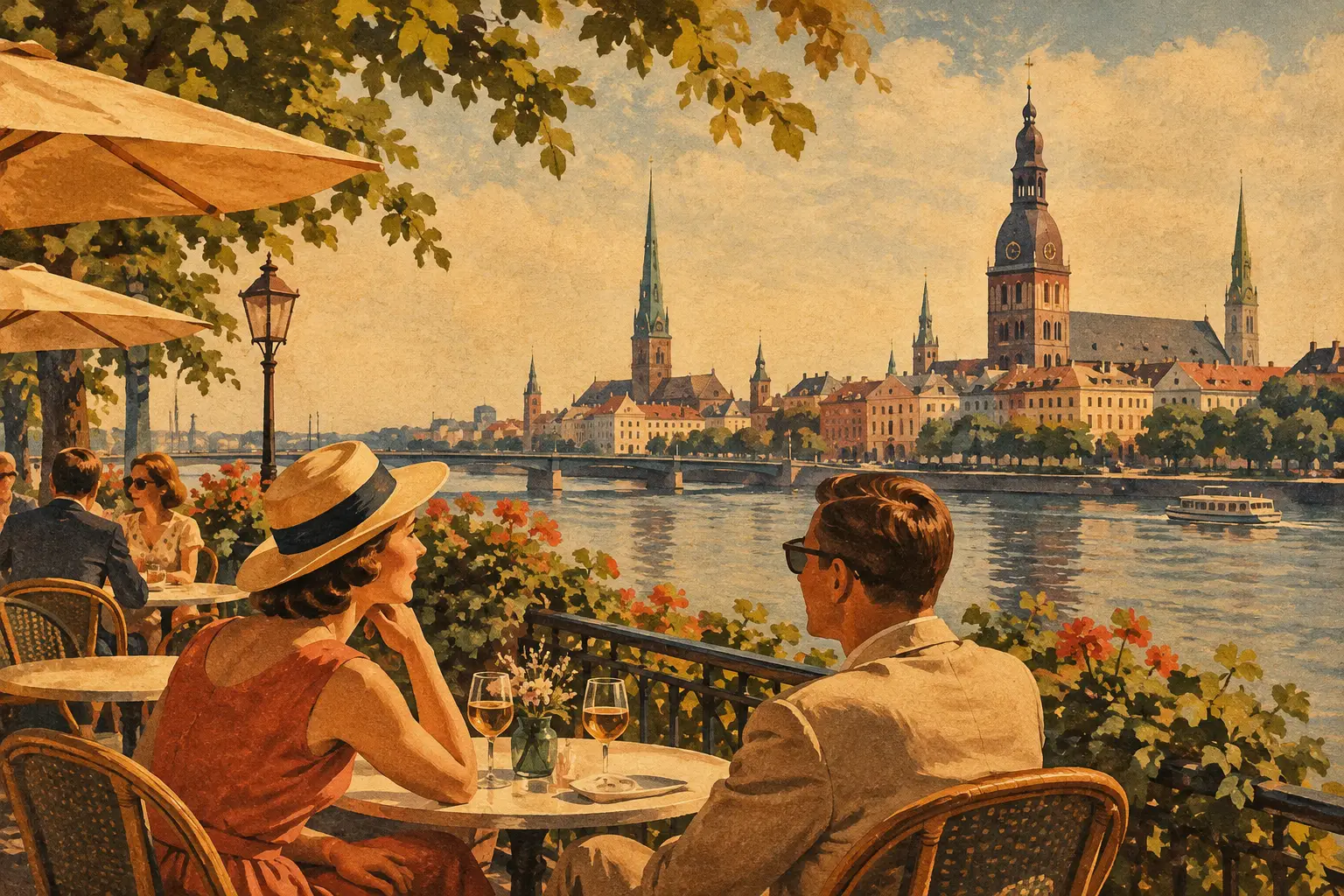
It also works brilliantly with the rough-and-ready rhythm of a proper pub night. Hop bitterness can cut through rich food. A clean pilsner is hard to beat after a long day walking Riga Old Town. A citrus-led pale ale feels right on a terrace when the evening is still warm and nobody is checking the time.
There is a practical side too. Beer generally offers a steadier route through a long session, particularly when you choose lower-strength styles and drink at a sensible pace. That does not make it harmless, of course. Some craft beers hide serious strength behind tropical fruit aromas and soft carbonation. A double IPA can hit harder than it tastes. Check the ABV, drink water, and do not mistake juicy for gentle.
Craft beer is not always the answer. If you dislike bitterness, find pints too filling, or want one drink with a cleaner, more concentrated flavour, a cocktail may be the smarter call. The best beer list offers choice, but it should never feel like homework.
Choose beer when the night has room to breathe
Order craft beer when you want a drink that can keep you company rather than take centre stage. It is ideal for catching up with mates, watching the match, trading travel stories with new people, or working through a few styles over the course of an evening. Ask for something crisp if you want refreshment, something hoppy if you enjoy grapefruit and pine notes, or something dark if whisky-like warmth appeals.
Why cocktails still carry the first round
Cocktails have theatre. The ice, the garnish, the glassware and the balance of spirit, sweetness, acidity and bitterness create a small ritual before the first sip. In the right setting, that little piece of ceremony matters. It turns a quick meet-up into an occasion.
They are also remarkably precise. If you love whisky but do not fancy it neat, a well-made cocktail lets the spirit show a different side. An Old Fashioned leans rich and contemplative. A Whisky Sour brings a sharper edge. A Manhattan-style serve is darker, smoother and made for slower conversation. These are not disguises for the spirit when they are made properly. They are frames around it.
For travellers and mixed groups, cocktails can be an easy common ground. One person orders gin, another rum, another whisky, and everyone gets a serve tailored to their mood. That flexibility is useful when tastes are miles apart and nobody wants to be the person nursing an unwanted pint.
The trade-off is pace. Cocktails often arrive stronger than they look, especially when the mixer is doing its job well. A balanced drink can go down very easily, so give it the respect you would give a generous pour of whisky. They are also less suited to every situation. If you simply want something cold while the football is on, a complicated cocktail can feel like wearing dress boots to play five-a-side.
Choose cocktails when detail matters
Go for cocktails when you want a memorable start, a sharp change of gear or a drink built around a favourite spirit. They shine on dates, celebrations and smaller tables where everyone is paying attention to what is in the glass. If you are unsure, tell the bartender what you usually drink and whether you prefer dry, sweet, bitter, smoky or fresh. That is more useful than pretending to know the whole menu.
Flavour, strength and the danger of assumptions
The usual craft beer versus cocktails argument gets reduced to calories, alcohol percentage or price. Those things matter, but they do not tell the full story.
A 4.5% lager and a 9% imperial stout are both beers, yet they play completely different roles. A gin and tonic and a stirred whisky cocktail are both cocktails, yet one may feel light and refreshing while the other lands with depth and weight. Portion size, recipe, ABV and your own pace all matter more than the category printed at the top of the menu.
Price is similar. A premium cocktail may cost more because it uses quality spirits, fresh ingredients and skilled preparation. A rare craft beer may be priced like a cocktail because small-batch brewing and imported stock do not come cheap. Rather than hunting for the cheapest route, choose the drink you will genuinely enjoy. A disappointing bargain is still disappointing.
Food changes the equation as well. Crisp, carbonated beers are dependable partners for salty snacks and hearty pub fare. Cocktails can either complement food or compete with it. A bright sour can wake up richer dishes; a sweet, heavily flavoured drink may overwhelm them. If you are eating, ask for a recommendation instead of relying on rules copied from somewhere else.
Build a better round for the whole table
The strongest move is often refusing to make the group choose one side. Start with cocktails when everyone arrives and the energy is high. Move to craft beer when the table settles in. Or reverse it: share a relaxed pint before dinner, then finish with a whisky-led cocktail when the stories get better and the night needs a final flourish.
This approach works particularly well for groups of locals, expats and visitors. One person may be chasing a new IPA, another may want a classic cocktail, and someone else may be curious about single malt. That variety is not a problem. It is the point of going somewhere with more personality than a standard pub.
At The Armoury Bar, the best tables are rarely drinking the same thing. You might see a smoky whisky cocktail beside a pale ale, a pint of stout beside a neat dram, and a round of highballs arriving just as the game gets tense. The room does the rest: military memorabilia on the walls, plenty to talk about, and no need to choose between pub comfort and a little theatre.
Order with confidence, not bravado
You do not need specialist vocabulary to order well. For beer, say whether you want light or full-bodied, bitter or smooth, crisp or fruity. For cocktails, name a spirit you enjoy and the direction you want to go: refreshing, sour, spirit-forward, smoky or not too sweet. A good bartender can take it from there.
Be honest about your limits, especially if you are moving from beer to cocktails. Alternate with water, eat something substantial and make sure the final round is not a tactical error. The warrior move is getting home with the stories intact.
The next time the menu presents craft beer and cocktails, do not treat it as a test of loyalty. Pick the pour that fits the people, the hour and the kind of memory you want to leave with. Then raise the glass, take the first sip and let the night find its own target.


Comments